
Physio Pelvic Floor
Pelvic Health Clinic
Persistent pelvic pain is complex, and rarely has a single cause. We assess the whole picture: muscles, nervous system, movement, and lifestyle.
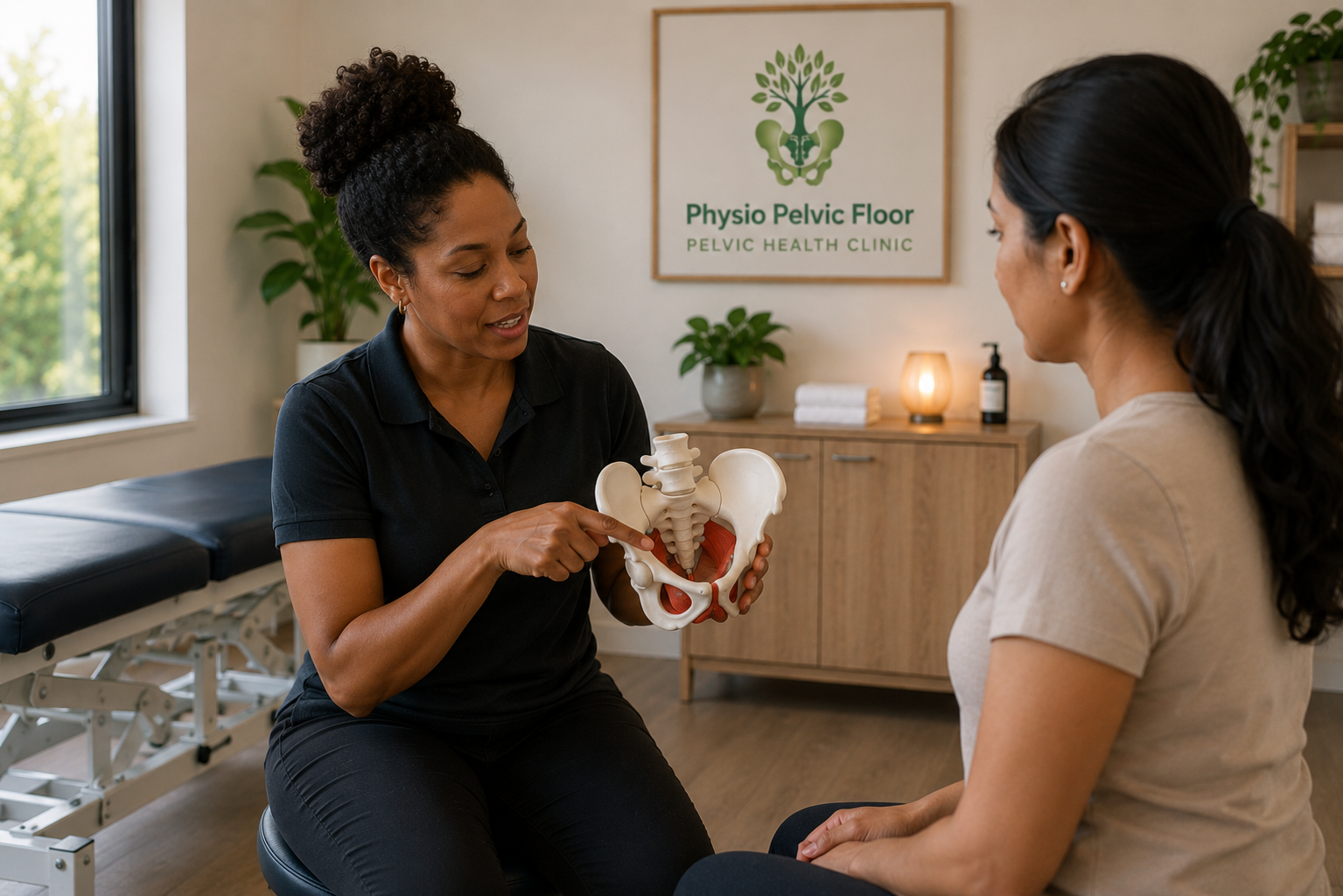
Chronic pelvic pain, defined as pain persisting for six months or longer, can involve the pelvic floor muscles, the nervous system, the bladder, bowel, reproductive organs, connective tissue, or any combination of these. Effective assessment must look at all of them.
When pain persists, the central nervous system can become sensitized, a state where the threshold for pain drops and stimuli that would not normally hurt begin to. This is called an over-sensitised nervous system, and it is common in chronic pelvic pain.
Understanding this changes how treatment is approached. Addressing only the muscles while ignoring nervous system regulation, stress, sleep, and movement patterns produces incomplete results. Our assessment considers the full picture using validated tools including the Central Sensitization Inventory.
Pelvic pain assessment takes time. We allocate a full initial appointment to understand the history, quality, location, and timing of your pain, along with its impact on sleep, movement, relationships, and mood. Physical assessment includes posture, breathing, hip mobility, and with consent, internal pelvic floor evaluation.
Complex chronic pelvic pain often benefits from collaboration with various health care providers. We maintain referral pathways to trusted specialists and will recommend onward referral where appropriate.
No referral required. Book your initial assessment and we'll build a plan around you.